Polar Bears in Norway Getting Fatter
Sunday, 08 February, 2026178 words3 minutes
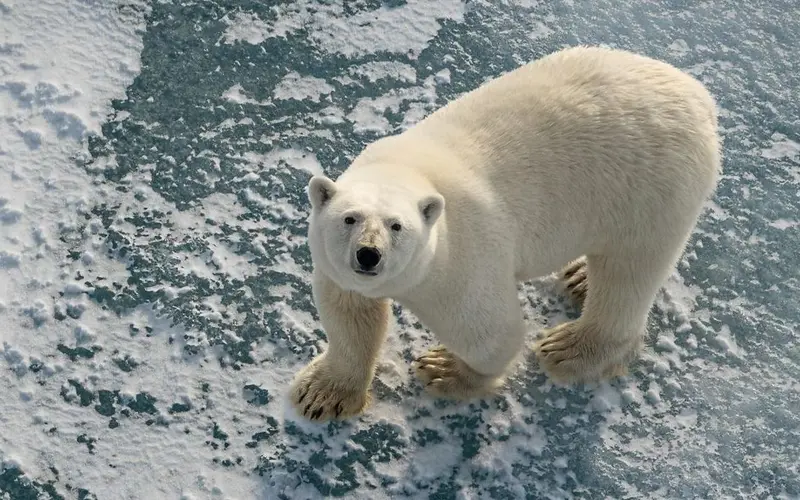
In an unexpected turn of events, polar bears in the Norwegian Arctic archipelago of Svalbard have become fatter and healthier since the early 1990s, despite the steady decline of sea ice due to climate change. This finding has surprised scientists who anticipated the opposite outcome.
Traditionally, polar bears rely on sea ice as a platform for hunting seals, their primary source of nutrition. However, researchers who studied 770 adult bears between 1992 and 2019 discovered that these animals have significantly increased their fat reserves. They believe this adaptation is due to the bears consuming more land-based prey, including reindeer and walruses.
The increase in walrus populations, following their protection in Norway since the 1950s, has provided a new source of fatty food for the bears. Additionally, the concentration of seals in smaller ice areas may have made them easier targets for the bears. While this is positive news in the short term, scientists caution that this trend may not continue as further ice loss could force bears to travel longer distances for food, potentially depleting their energy reserves.