How people woke up before alarm clocks
Tuesday, 10 March, 2026213 words3 minutes
During Britain's industrial revolution, emerging factories confronted an unprecedented need for strict timekeeping, including far more specific start times for workers. A worker arriving even five minutes late could hold up an entire assembly line, losing their employers' profit. They required a means to wake up punctually, especially during darker winter months, and while early alarm clocks existed at this time, they remained prohibitively expensive for typical workers.
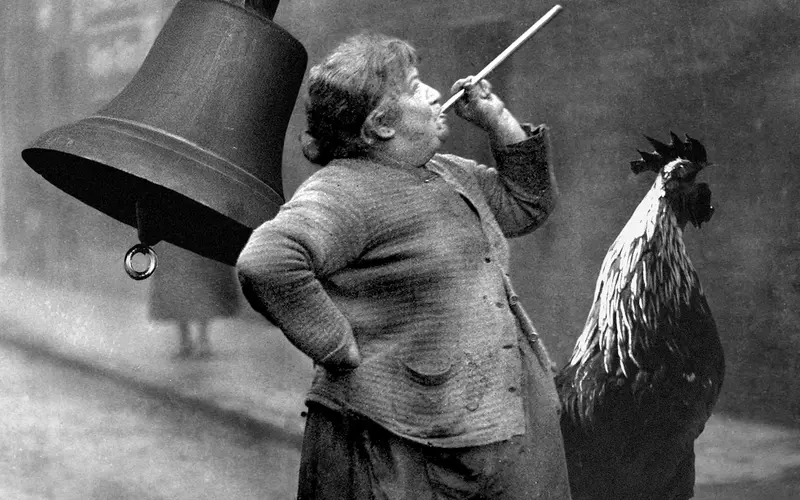
Factories attempted using whistles and bells to wake and summon workers, but they often proved unreliable. Instead, an entire profession dedicated to awakening people sprouted up: knocker uppers. These human alarm clocks would methodically work their way down streets and sometimes whole neighborhoods, knocking or tapping on windows, or shooting peas at them. They would stand there until they received a response from their clients, refusing to move until acknowledgment was given.
Throughout history, people devised numerous inventive awakening methods, from simply keeping roosters to ingenious candle clocks that dropped needles into metal trays hourly. In medieval and early modern Europe, church bells rung by bellringers using hourglasses organized daily life around the parish unit. Learning how these past societies managed sleep and waking could potentially help us improve our own sleep patterns today, particularly regarding exposure to morning daylight and maintaining regular sleep schedules.